
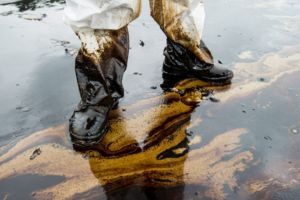
Waste oil and water pollution: major environmental impact

Waste oil poses one of the biggest environmental problems for companies operating vehicles and machinery. The impact on water pollution is particularly significant when oily waste is disposed of improperly.

On this page, you can read what waste oil is, what risks it poses to the environment, and why responsible disposal is essential for sustainable business operations. Chemical Waste Netherlands supports companies with safe, certified solutions for oil waste and helps effectively prevent water pollution.

waste oil water pollution

Short overview of this article

Used oil causes serious water pollution and poses a major environmental problem for companies in the automotive and industrial sectors. Improper storage or disposal of oil-containing waste leads to water pollution, threatens ecosystems, and lands companies in legal trouble. Chemical Waste Netherlands offers safe collection, expert advice, and certified transport solutions, enabling you to operate legally compliant and environmentally consciously. A professional approach prevents environmental damage, ensures regulatory compliance, and contributes to sustainable business operations.

Main highlights

  • Used oil causes serious water pollution if stored or disposed of improperly.
  • Recognition and separation of used oil protects water and the environment from harmful substances.
  • Used oil contains toxic substances and must be legally collected and disposed of separately.
  • Using certified storage equipment prevents environmental risks and compliance issues.
  • Chemical Waste Netherlands offers safe collection, advice and solutions for responsible oil management.

What is used oil and how does water pollution occur?

Waste oil is created when oil from engines, hydraulic systems, or machinery loses its effectiveness. This oil contains dirt, additives, and other hazardous substances that can harm the environment. If stored or disposed of improperly, it can end up in wastewater, leading to serious water pollution and damage to ecosystems. Used oil disposal Using certified collectors is therefore crucial to prevent environmental problems. Chemical Waste Netherlands supports companies with the safe collection and responsible processing of oily waste.

Recognition of waste oil in daily business processes

Wherever vehicles, machinery, and installations run on oil, waste oil is present. Think of engine oil from garages, hydraulic oil from machinery, and lubricating oil in production lines. This oil is often dark in color, viscous, and contains impurities. Waste oil should never be disposed of with regular waste or in water, because even a small amount can contaminate millions of liters of water (source: RIVM).

Therefore, use suitable storage solutions such as IBC containers or metal drums. Chemical Waste Netherlands advises companies on the safe separation, storage, and disposal of oily waste streams.

Risks of oil and oil waste to the environment

Oil and oil waste pose a significant risk to the environment, especially when they come into contact with water. Oil damages water quality, endangers animals and plants, and disrupts natural ecosystems. Companies that use oil-containing processes often also produce oil-containing wastewater, which poses additional risks. Chemical Waste Netherlands helps mitigate these environmental risks through safe collection and awareness-raising about responsible waste management. Read more about the effects of waste oil on the environment.

Long-term effects of oil on ecosystems and water quality

When oil enters water, it forms a thin film on the surface that hinders oxygen exchange. Motor oil and other oil products contain heavy metals that accumulate in soil and aquatic environments, causing long-term damage to ecosystems. Furthermore, mixing oil with rainwater causes it to spread through ditches and rivers.

By separating oil at the source, storing it safely, and having it disposed of promptly by a certified collector, companies can prevent these risks. Chemical Waste Netherlands offers appropriate packaging, advice, and collection services for all types of oil waste.

The role of motor oil in environmental damage and legislation

Motor oil is essential for vehicles and machinery, but once it's used, it becomes a source of environmental damage. Used motor oil contains toxic substances and heavy metals that pollute water and soil for long periods of time. Businesses and garages are required to store, label, and dispose of motor oil separately via a certified collector. These regulations are laid down in the Environmental Management Act and the National Waste Management Plan (LAP3). Chemical Waste Netherlands helps you comply with this legislation and prevent environmental damage with secure packaging, timely collection, and accurate documentation.

How do you prevent water pollution from used oil?

Preventing water pollution starts with the proper storage and collection of oil. Always use certified products such as IBC containers, metal drums, or drums with lids, and place them on a liquid-tight floor at a safe distance from drains. Have oil collected regularly by a certified waste collection company. Chemical Waste Netherlands provides secure logistics, labeling, and documentation, ensuring compliance with laws and regulations. By collecting oil and halogenated oils separately, recycling becomes more efficient and environmental pollution is prevented.

Practical tips for storing and transporting oil waste

  • Use liquid-tight floors and drip trays under storage tanks.
  • Check regularly for leaks or contamination.
  • Keep oil and chemical waste strictly separated from other waste streams.
  • Work with certified collectors for safe transport.

Sustainable processing and recycling of oil-containing waste

Professional processing and recycling of used oil prevents water pollution and enables reuse. After collection, the oil is analyzed and processed into base oil or alternative fuel. This turns oil-containing waste into a valuable raw material. Chemical Waste Netherlands supports companies in this process with safe collection resources, reliable transport partners, and sustainable processing. By actively choosing recycling, you reduce your ecological footprint and meet the highest environmental standards.

Environmentally friendly disposal of waste oil

By handling used oil responsibly, you prevent water pollution and contribute to a healthier environment. Chemical Waste Netherlands helps companies with the safe collection, storage, and processing of oily waste. Would you like immediate advice or a free quote?