
Is coolant dangerous?
Yes, coolant is dangerous because it contains toxic substances that are harmful to humans, animals and the environment. Ethylene glycol in particular can cause severe poisoning if swallowed, and skin contact, inhalation or discharge into the environment also pose risks. Coolant disposal should therefore follow chemical waste standards and legislation.
Coolant is essential for cooling and protecting engines and machinery, but if misused or disposed of, it can cause serious damage to health and the environment. In this article, you will find out why coolant is dangerous, what the environmental consequences are and how to store it safely and have it disposed of according to applicable environmental legislation.
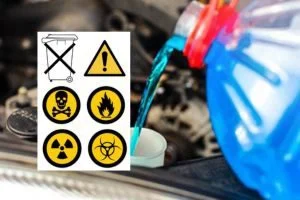
What's in coolant?
Coolant consists of a mixture of water, glycol (usually ethylene or propylene glycol) and additives such as inhibitors against corrosion, oxidation and foaming. This combination keeps engines at temperature, but also makes coolant chemically harmful.
Over time, the fluid ages: the additives break down, and heavy metals, oil residues and acids may form. These breakdown products are toxic and should not be released into the environment.
Why is coolant dangerous?
Coolant is dangerous because it contains substances that are toxic if swallowed or in contact with the skin. Ethylene glycol in particular is highly harmful to humans and animals, as just a few millilitres can be fatal if ingested. When burned or discharged, coolant can also affect surface water, soil and air quality.
Propylene glycol is a safer alternative and is sometimes used in human-contact applications (such as refrigeration units in the food industry), but this variant also falls into the chemical waste category once contaminated.
Therefore, used coolant is always considered hazardous waste, and should not end up in the sewer or with residual waste.
The environmental impact of coolant
The environmental impact of coolant is significant when it is improperly disposed of or spilt. Glycol and additives biodegrade, but that process consumes a lot of oxygen in the water. This causes oxygen deficiency, which suffocates fish and other aquatic organisms.
In addition, heavy metals and chemicals from coolant can soak into the soil and contaminate groundwater. This affects not only ecosystems, but also drinking water quality.
By having coolant properly collected and recycled through an authorised processor such as Chemisch Afval Nederland, you prevent these harmful substances from entering the environment.
Coolant poisoning
Coolant poisoning occurs when ethylene glycol or propylene glycol is swallowed, inhaled or absorbed through the skin. Ethylene glycol in particular is extremely dangerous: it is converted in the body into toxic acids that lead to kidney failure, loss of consciousness or even death.
Symptoms of coolant poisoning
These are the symptoms of coolant poisoning:
- Nausea and vomiting
- Dizziness and disorientation
- Accelerated heart rate
- Respiratory problems
- Reduced urine output or renal failure
For people or animals who may have ingested coolant, immediate medical attention is necessary. Contact your GP, vet or call 112 immediately. Never try to induce vomiting yourself.
Risks of improper disposal or storage
Improper storage or discharge of coolant can lead to:
- Pollution of soil and surface water: glycol breaks down biologically, but that process consumes oxygen, causing oxygen depletion for fish and aquatic life.
- Damage to animals and plants: ethylene glycol tastes sweet, making it attractive to pets, but even small quantities are lethal.
- Occupational health hazards: vapours or splashes may cause skin and eye irritation. In enclosed spaces, evaporation can cause respiratory problems.
- Fines for violating environmental legislation: the Environmental Management Act and the Activities Decree require companies to store and dispose of hazardous waste correctly.
Even small amounts of coolant draining through the sink or soil can cause long-term environmental damage.
How do you recognise dangerous or outdated coolant?
Old or contaminated coolant is often cloudy, dark brown or grey in colour. Sometimes an oily layer forms on the surface or a milky haze. There may also be a sweetish, chemical smell: this is a sign of glycol breakdown.
As soon as you notice these characteristics, replacement is necessary. The liquid should then be disposed of as chemical waste.
How can you store and dispose of coolant safely?
Coolant storage
- Use UN-approved drums or jerrycans with tight-fitting lids.
- Place it on a drip tray to catch spills.
- Label clearly with “Coolant - hazardous waste”.
- Store in a cool, ventilated place, away from heat sources or direct sunlight.
Coolant drain
- For companies: Always have coolant collected by an authorised collector. Read more here glycol drainage.
- For private individuals: Take it to an environmental street, waste disposal station or chemical cart in your area.
Frequently asked questions
How dangerous is coolant?
Coolant is very dangerous when misused or discharged. Even small quantities can be harmful to humans, animals and the environment. Ethylene glycol in particular is toxic and should always be disposed of professionally.
Is coolant toxic?
Yes, coolant is toxic to humans, animals and the environment. Ethylene glycol in particular is highly harmful when ingested and can be lethal in even small quantities. The liquid has a sweet smell and taste, making it dangerously attractive to animals and children.
Is coolant dangerous for humans and animals?
Yes, coolant is dangerous and toxic if swallowed, inhaled and in skin contact. Ethylene glycol in particular is very harmful to humans, pets and wildlife. Even small amounts can be lethal. Do you suspect coolant poisoning? If so, always contact your GP or vet immediately.
Is coolant toxic to dogs?
Yes, coolant is highly toxic to dogs. As little as one teaspoon of ethylene glycol can be fatal to a medium-sized dog. The substance causes kidney failure and neurological damage. Have spilt coolant cleaned up immediately and never let your dog near spilled liquids or open containers. Always contact your vet immediately!
Is coolant toxic to cats?
Yes, coolant is highly toxic to cats. Even a few drops can lead to severe poisoning or death. Cats can ingest the liquid through their paws or fur. Always clean up spills immediately and never leave a container open. Always contact your vet immediately!
Is coolant toxic to pets?
Yes, coolant is toxic to pets such as dogs, cats, rabbits, chickens and rodents. The sweet taste of ethylene glycol makes it extra dangerous. Always store coolant out of reach of animals and contact your GP immediately if ingestion is suspected.
Is all coolant dangerous?
Yes, all types of coolant contain chemicals. Propylene glycol is slightly less toxic than ethylene glycol, but should still be treated as chemical waste.
Can I dispose of coolant myself?
No, coolant should not go in the rubbish, sink, drain, toilet or in the sewer. Always dispose of it at the environmental station or have it collected by an authorised collector.
Is it dangerous if you leak coolant?
Yes, it is dangerous if you leak coolant. The liquid can cause slipperiness, give off fumes and leak toxic substances into the ground. Clean up leaks immediately and have the residue professionally removed.
Can coolant hurt?
Yes, coolant can cause harm if used or disposed of incorrectly. It is toxic, environmentally harmful and can have serious effects on humans, animals, soil and water if spilled, inhaled and ingested.
Is coolant toxic on contact?
Yes, coolant is toxic on contact. Prolonged contact with skin may cause irritation, redness or burns. Always wear gloves and avoid contact of the liquid with eyes or mouth.
Is coolant dangerous if inhaled?
Yes, coolant is dangerous when inhaled. The vapours of ethylene glycol in particular can cause irritation to the respiratory tract, eyes and mucous membranes. In poorly ventilated areas, prolonged exposure can cause headaches, dizziness, nausea and respiratory problems.
When working with coolant, good ventilation is important and fumes should be avoided as much as possible. Preferably wear protective clothing and clean up spills immediately.
What happens if I drain coolant incorrectly?
Improper disposal can lead to environmental pollution, damage to facilities and high fines. Companies are required by law to dispose of hazardous waste correctly.
Have hazardous coolant disposed of responsibly
As a company, do you want to dispose of your used coolant, glycol or antifreeze safely and according to the law? Engage Chemical Waste Netherlands. Request a no-obligation quote today.