Why correct labeling of used oil is important
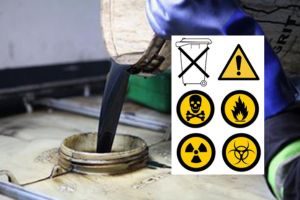
For companies working with oil, lubricants, or other hazardous oil-containing waste, correct labeling isn't a minor detail, but a legal requirement. Labels provide insight into the content, origin, and hazard class of the waste. This is crucial for safe transport, storage, and processing.
In practice, Chemical Waste Netherlands (Chemisch Afval Nederland) sees that correct labeling prevents many misunderstandings and fines. A good label ensures that everyone, from warehouse employees to drivers, immediately knows which type of oily waste they are handling. This prevents environmental damage, incidents, and downtime in your business processes.
Legal requirements for labelling of waste oil
Waste oil falls under the European CLP Regulation (EC 1272/2008) and the ADR regulations for the transport of dangerous goods. This means that labels must meet established requirements for recognizability and completeness. These are the guidelines:
- The category of waste (e.g. used engine oil, hydraulic oil, cutting oil)
- Management UN number (often UN 3082 for environmentally polluting oil products)
- The hazard pictograms (such as GHS07, GHS08 or GHS09)
- Management hazard and safety advice (H and P phrases)
- The name and contact details from the company responsible for packaging or storage
According to the National Waste Management Plan (LAP3, Sector Plan 56 Waste Oil) Halogen-containing oil must be labelled and processed separately as it falls under a heavier waste category.
Correct labeling prevents violations of the Environmental Management Act and the Regulation on the Carriage of Dangerous Goods (ADR). This is actively enforced during inspections by environmental agencies.
Step-by-step plan: how to correctly label used oil
- Identify the waste stream: determine the oil type (engine, hydraulic, or machine oil) and check for halogens or heavy metals.
- Use the correct packaging: choose a suitable collection container, such as an IBC container, metal drum, or lidded drum. These must be UN-approved.
- Apply the correct label: include the name of the waste stream, the UN number, hazard pictograms, and H and P statements. Make sure the label is indelible and clearly legible.
- Check completeness and currency: remove old or damaged labels and check regularly for accuracy.
- Register and archive: record the label number for each package and keep the documentation (such as the hazardous waste accompanying form).
Common mistakes in oily waste labeling
- Incomplete or illegible labels
- Incorrect UN number or missing hazard pictogram
- No distinction between halogen-containing and non-halogen-containing oil
- Old labels that have not been removed
- Lack of knowledge among staff
Even small errors can lead to environmental damage or fines. Therefore, periodic inspections and internal training are recommended. Read more about effects of waste oil on the environment.
What to do in case of labeling errors?
If you discover an error, take immediate action. Report the incorrect labeling to your waste coordinator or to Chemical Waste Netherlands. Prompt reporting demonstrates your organization's commitment to responsibility and helps prevent legal consequences.
Chemical Waste Netherlands can quickly supply the correct labels and advise on the correct hazard classification. This prevents delays in transport and processing.
Practical tips for safe labeling and transport
- Always use official hazard labels according to CLP and ADR standards
- Include the UN number on every label and on multiple sides of large packages
- Train employees periodically in labeling and inspection
- Keep labels dry, clean and legible
- Combine labeling with clear storage zones according to PGS 15 guidelines
Conclusion
Clear and correct labeling of used oil is more than a legal obligation: it is an essential part of safe, sustainable and professional waste managementBy using clear, up-to-date labels, you prevent risks, incidents, and sanctions.